
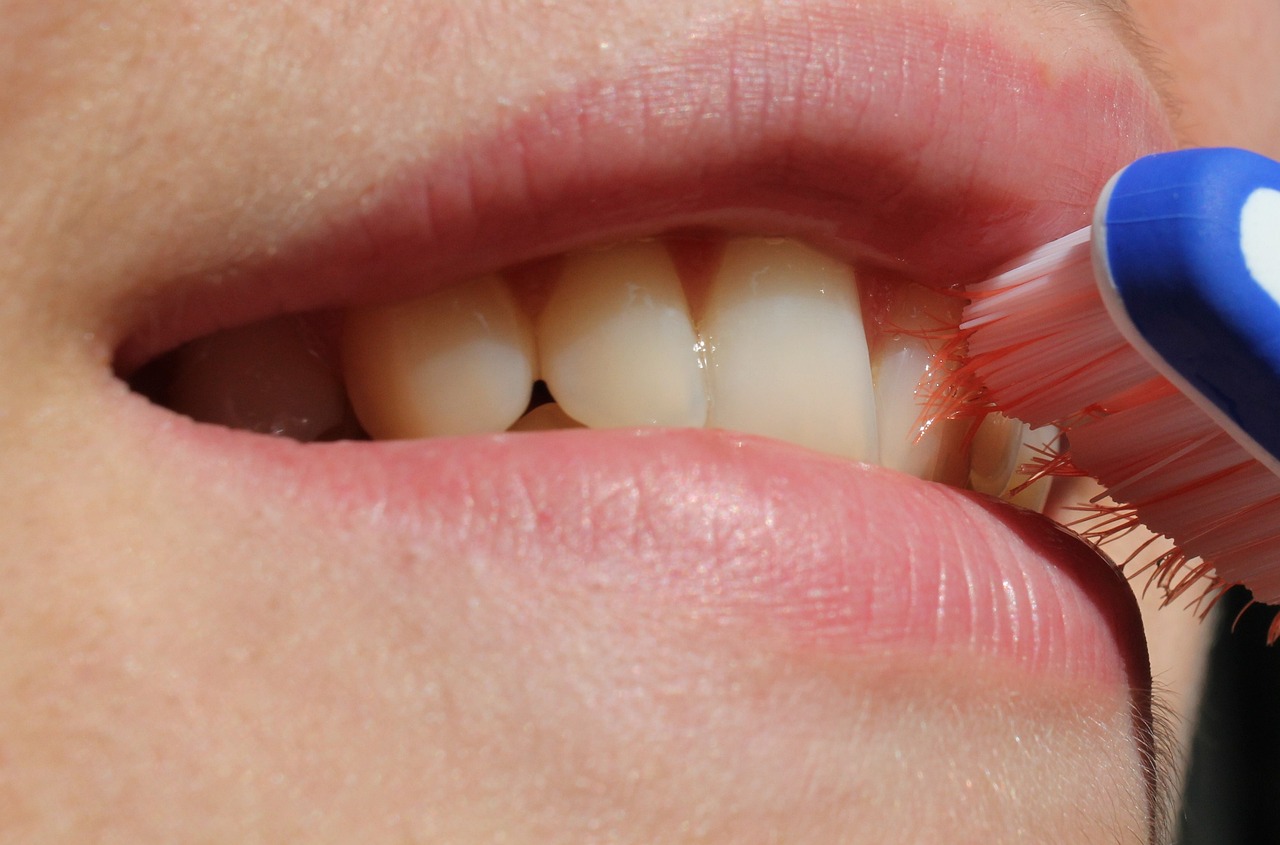
Good oral health is not only about regular brushing and flossing but also involves making mindful choices about what we eat. Nutrition plays a crucial role in preventing dental issues and promoting overall oral well-being. Having a private emergency dentist manchester is a valuable resource for addressing unexpected dental concerns promptly. While regular dental check-ups and preventive care are essential components of oral health, emergencies can arise, emphasizing the importance of comprehensive dental care. In this article, we will explore the essential connection between nutrition and oral health, highlighting the impact of a balanced diet on preventing poor dental outcomes.
The Foundation of a Healthy Smile

A nutrient-rich diet forms the foundation of a healthy smile. Essential vitamins and minerals, such as calcium, phosphorus, vitamin D, and vitamin C, contribute to strong teeth, gums, and overall oral health. Incorporating a variety of foods that provide these nutrients is vital for preventing dental problems.
Calcium-Rich Foods for Strong Teeth
Calcium is a key component in building and maintaining strong teeth. Dairy products like milk, cheese, and yogurt are excellent sources of calcium. Additionally, leafy green vegetables, almonds, and fortified plant-based milk alternatives contribute to a calcium-rich diet that supports dental strength.

Phosphorus and Vitamin D for Tooth Mineralization
Phosphorus, found in foods like fish, lean meat, nuts, and beans, along with vitamin D, aids in the mineralization of teeth. Exposure to sunlight is a natural way to obtain vitamin D, while dietary sources include fatty fish, eggs, and fortified cereals. These nutrients work synergistically to enhance dental health.
Vitamin C for Gum Health
Vitamin C is essential for maintaining healthy gums. Citrus fruits, strawberries, bell peppers, and broccoli are rich in vitamin C, promoting collagen production and preventing gum inflammation. Including these foods in your diet contributes to robust gum tissue and overall gum health.
Limiting Sugary and Acidic Foods
While incorporating nutritious foods, it’s equally important to limit the intake of sugary and acidic foods and beverages. These can contribute to tooth decay and enamel erosion. Moderation and mindful consumption of sugary treats can help minimize their impact on oral health.

The Role of Water in Oral Hydration
Staying hydrated is crucial for saliva production, which helps neutralize acids, clean the mouth, and prevent tooth decay. Water is the best beverage for oral health, as it doesn’t contain sugars or acids that can harm teeth. Drinking water throughout the day supports optimal oral hydration.
The Connection Between Diet and Gum Disease
A diet high in sugars and processed foods is linked to an increased risk of gum disease. Poor nutrition weakens the immune system, making it harder for the body to fight off infections, including those affecting the gums. Prioritizing whole, nutrient-dense foods supports gum health and helps prevent gum disease
In Conclusion
Incorporating a balanced, nutrient-rich diet is a proactive and effective approach to promoting oral health and preventing dental issues. By embracing foods rich in calcium, phosphorus, vitamin D, and vitamin C while limiting sugary and acidic treats, …

 Balanced nutrition is about consuming a variety of foods that provide your body with all the essential nutrients it needs to function optimally. It’s not about depriving yourself of or following strict diets; instead, it’s about making conscious choices that nourish your body and soul. A balanced plate should contain a combination of whole grains, lean protein, healthy fats, fruits, and vegetables. These foods provide your body with the right amount of macronutrients (carbohydrates, protein, and fat) and micronutrients (vitamins and minerals) to thrive.



 Even if a supplement has been FDA-approved, it is still essential to read the label before taking it. This will give you a better idea of what the product contains and how it might affect you. Be sure to look for any warnings or side effects that are listed. If you have any questions, ask your doctor or a pharmacist before you take the supplement. Those are just a few critical things you need to keep in mind when choosing a health supplement. By following these tips, you can be sure you are getting a quality product that will be safe and effective. Remember, our health is our most important asset, so it is worth finding the best possible option for us.
 CBD has a host of health benefits, one of which is pain relief. CBD oil can be used to help relieve chronic pain, joint pain, and muscle soreness. You can either take it orally or apply it topically.
 Regular exercise is one of the best ways to reduce pain and improve your overall health. Exercise releases endorphins, which are natural painkillers, and help strengthen your muscles and joints. With regular practice, you can avoid chronic pain and improve your overall health in the long run.
 Indeed you have seen how flexible a yoga master is, and compared to us who often get chronic pain from waking up or sitting too long, we can benefit from the exercise. Yoga is a great way to stretch and strengthen your muscles and reduce stress. Yoga is one of the most popular forms of exercise today because it reduces pain while improving flexibility and strength simultaneously. It’s easy to learn, too! So what are you waiting for? Try taking a yoga class or try doing some poses at home.